Digital Product Designer
Hello, I’m Tuğba
I focus on designing simplicity in an increasingly complex digital world. I approach design challenges with dedication and focus, aiming to create experiences that are both intuitive and meaningful for users.
Learn More About Me

Tools which I use on a daily basis

Overview
of My Projects


Masterpass Payment Infrastructure Integration Portal
Masterpass integration portal has designed to serve both technical users and business stakeholders with clarity and ease. By introducing a streamlined stepper structure, I turned a complex, multi-week integration flow into a user-friendly experience that’s easy to understand, follow, and complete—bringing a fresh, experience-focused perspective to a traditionally technical process.
View Project


Turkey Ministry of Trade
E-Export Platform
E-KİP(E-Kolay İhracat Platformu) platform was designed for small exporters engaged in e-commerce by providing them with essential data and information. The site features a smart assistant , business strategies, and various e-commerce marketplaces, along with step-by-step guidance throughout the entire trade process. All content was carefully designed to be easy to read and accessible, ensuring a smooth experience for users of all levels.
View Project

IDEAL Mobile Game
The mobile game aimed at helping refugees from different countries learn essential everyday language through simple, playful interactions. Since the target users often have low digital literacy and don’t share a common base language, the app relies entirely on visuals instead of text-based instructions—making it universally accessible and intuitive. The game was developed in collaboration with international teams, and was tested with real users across multiple countries to ensure cultural relevance and usability.
Coming Soon

TRT - tabii Content Management System
We designed the UI/UX and design system for tabii’s multilingual CMS, enabling customizable pages, license management, and automated publishing flows—tailored for both diverse content teams and the dynamic media industry.
Coming Soon
View All Projects
UX Research Approach
UX Audit - Heuristic Evaluation - Usability Testing
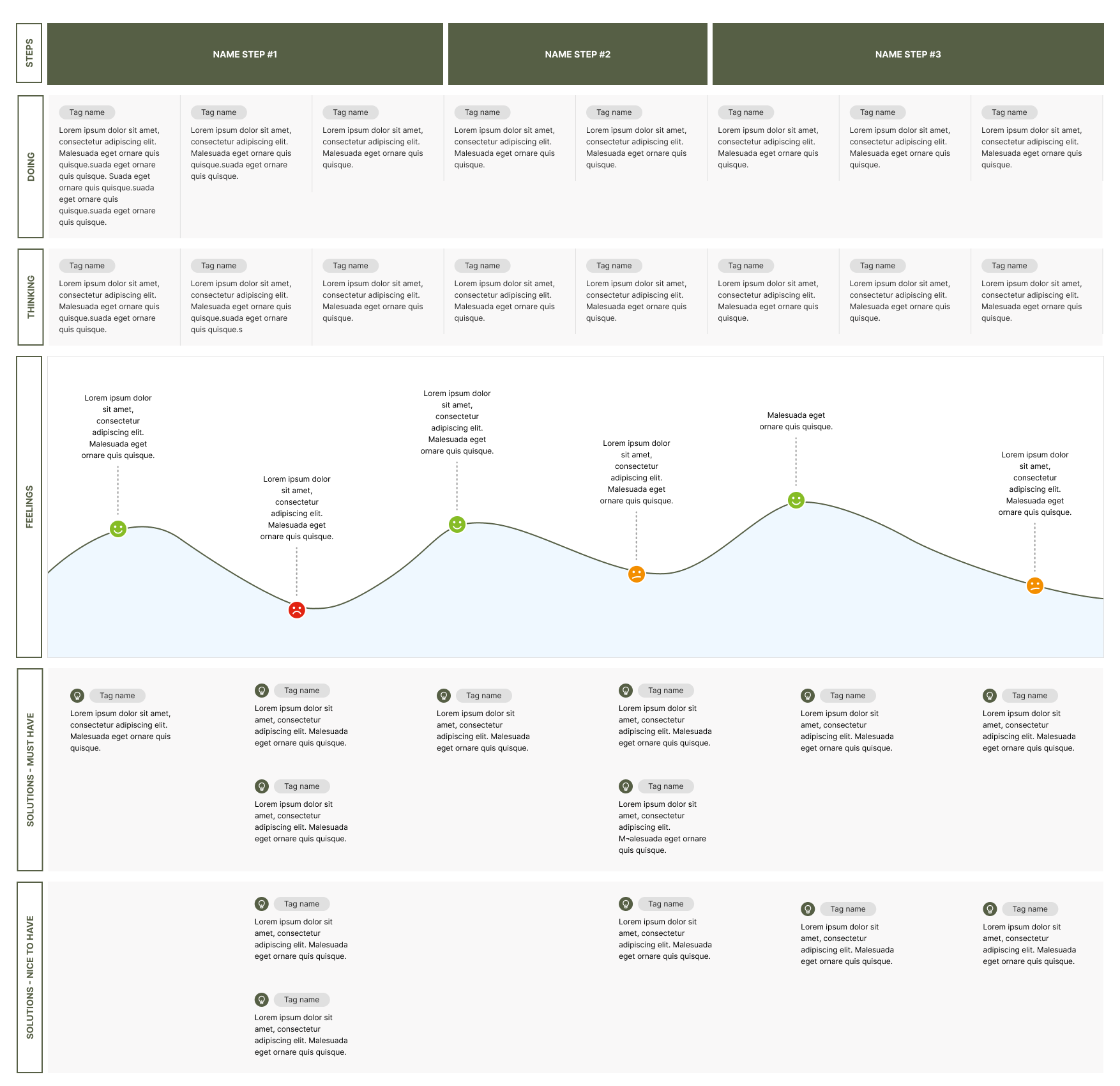
Customer Journey Map

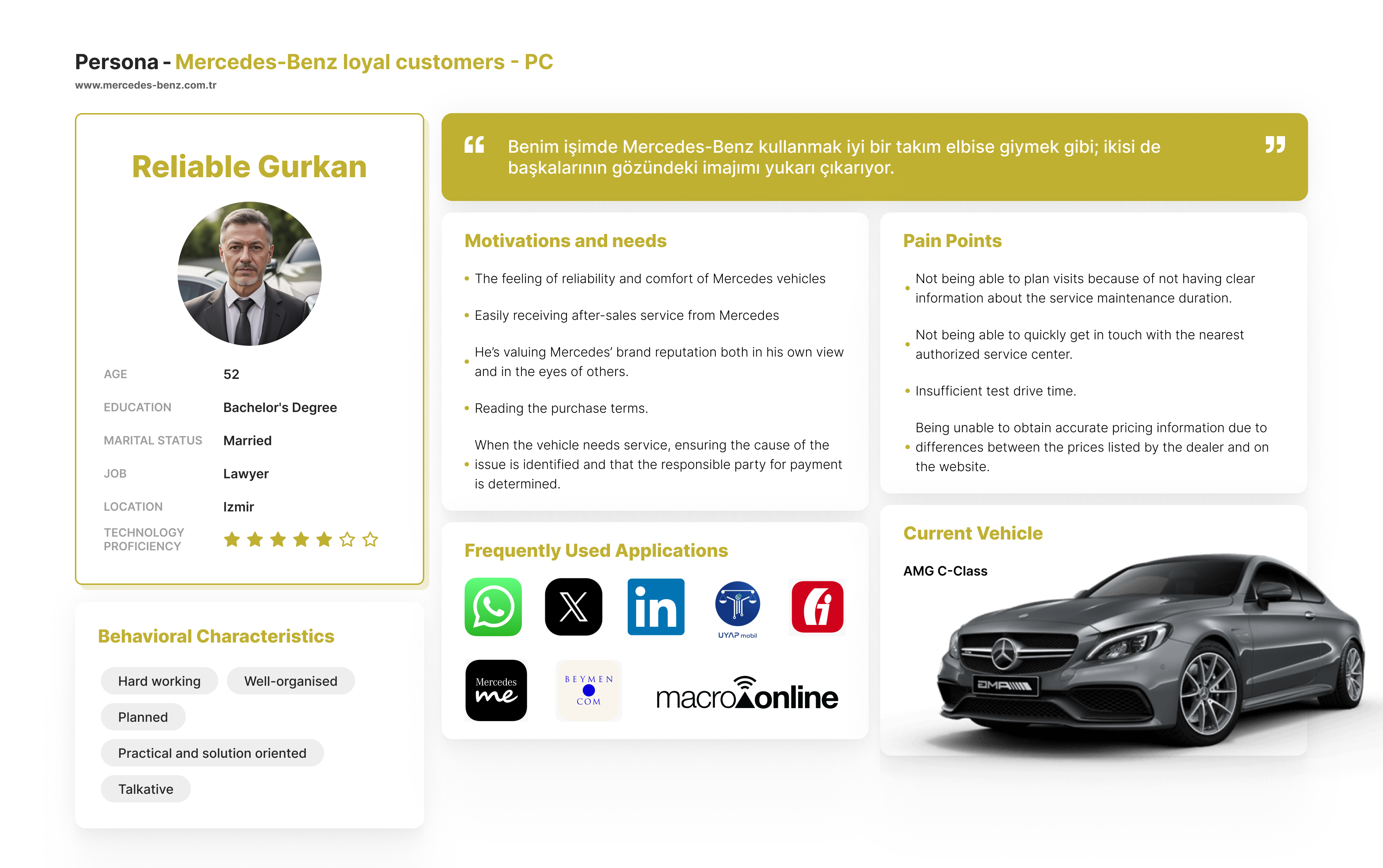
Persona
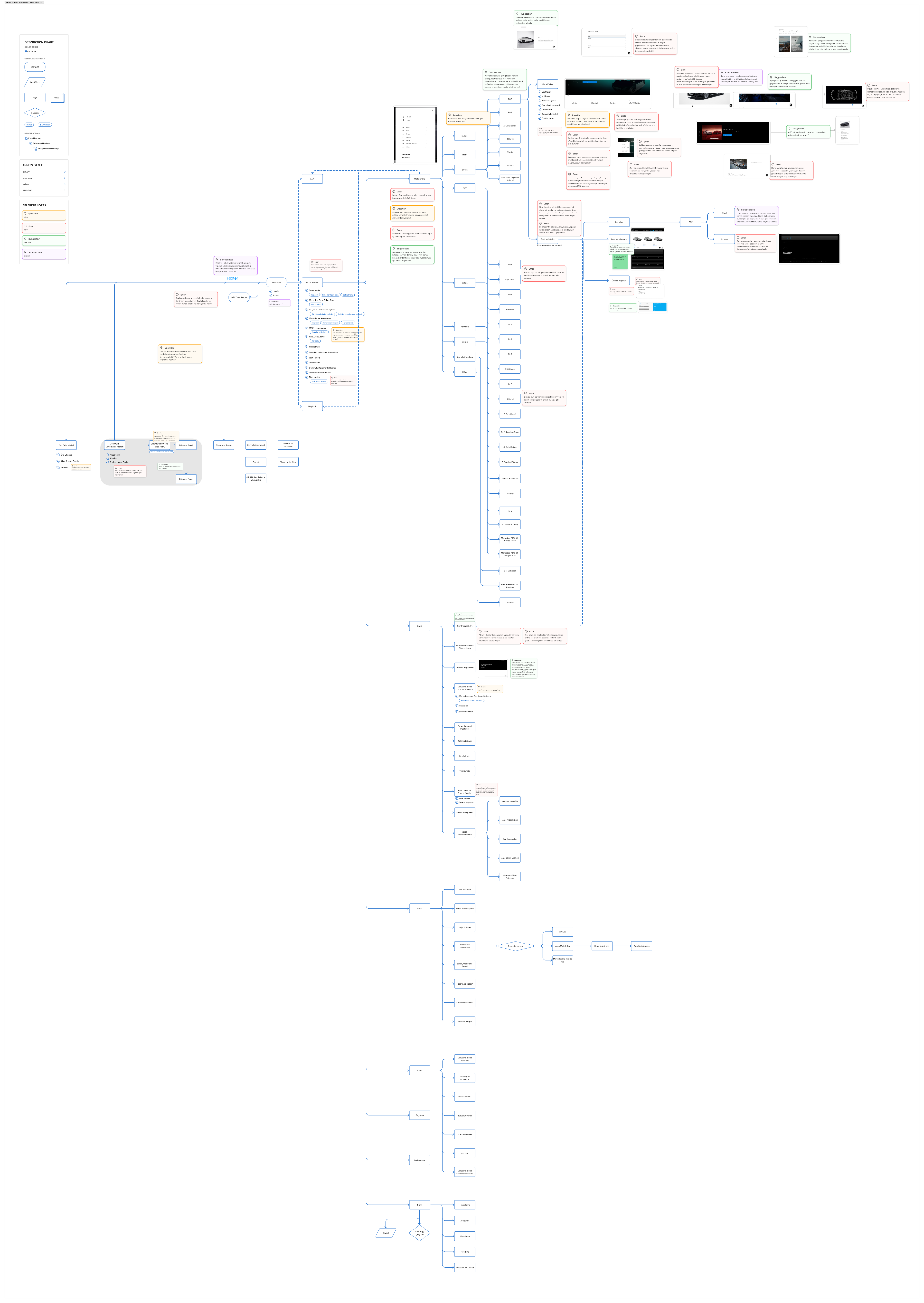
User Flow Diagram
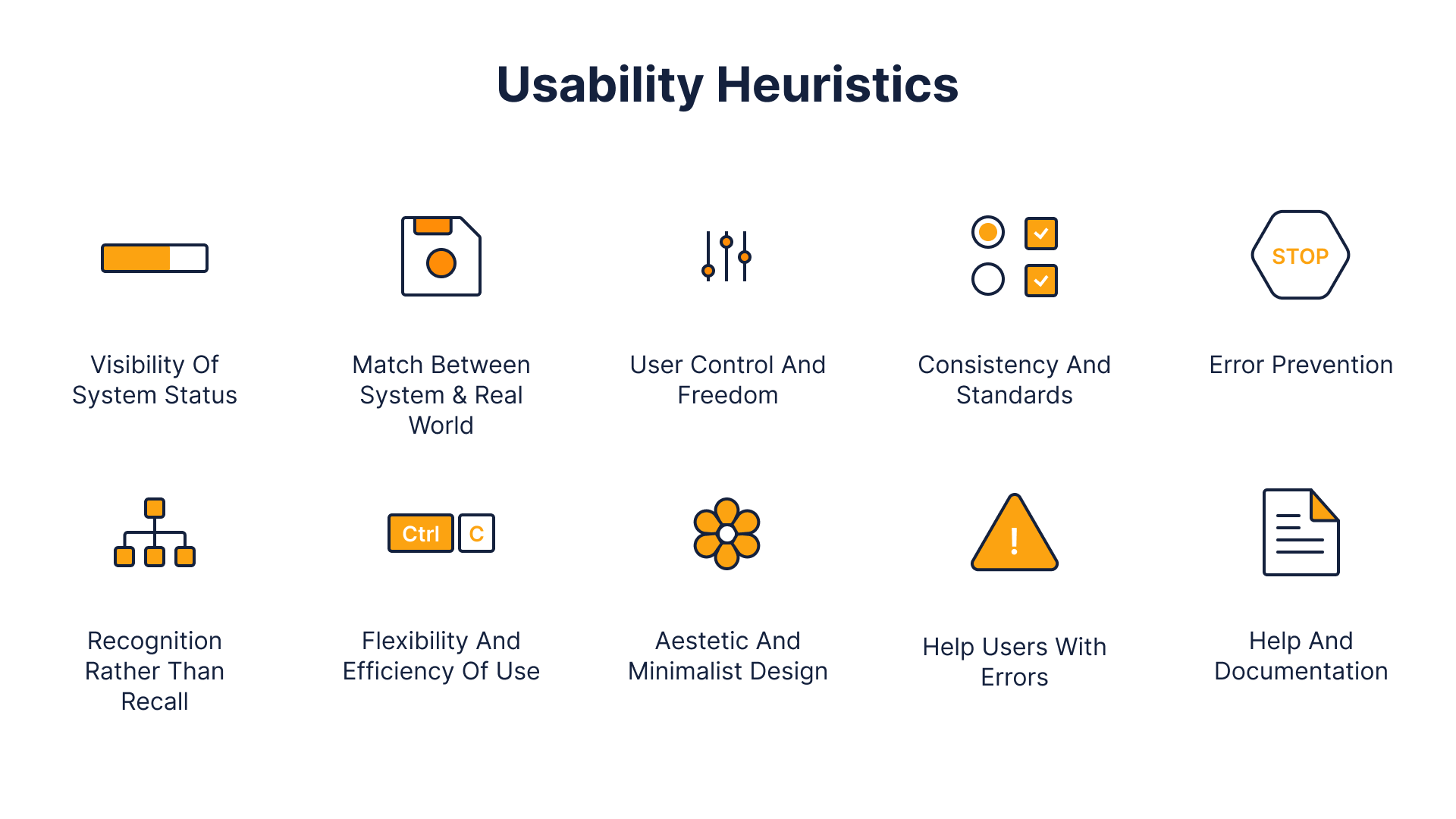
Heuristic Evaluation
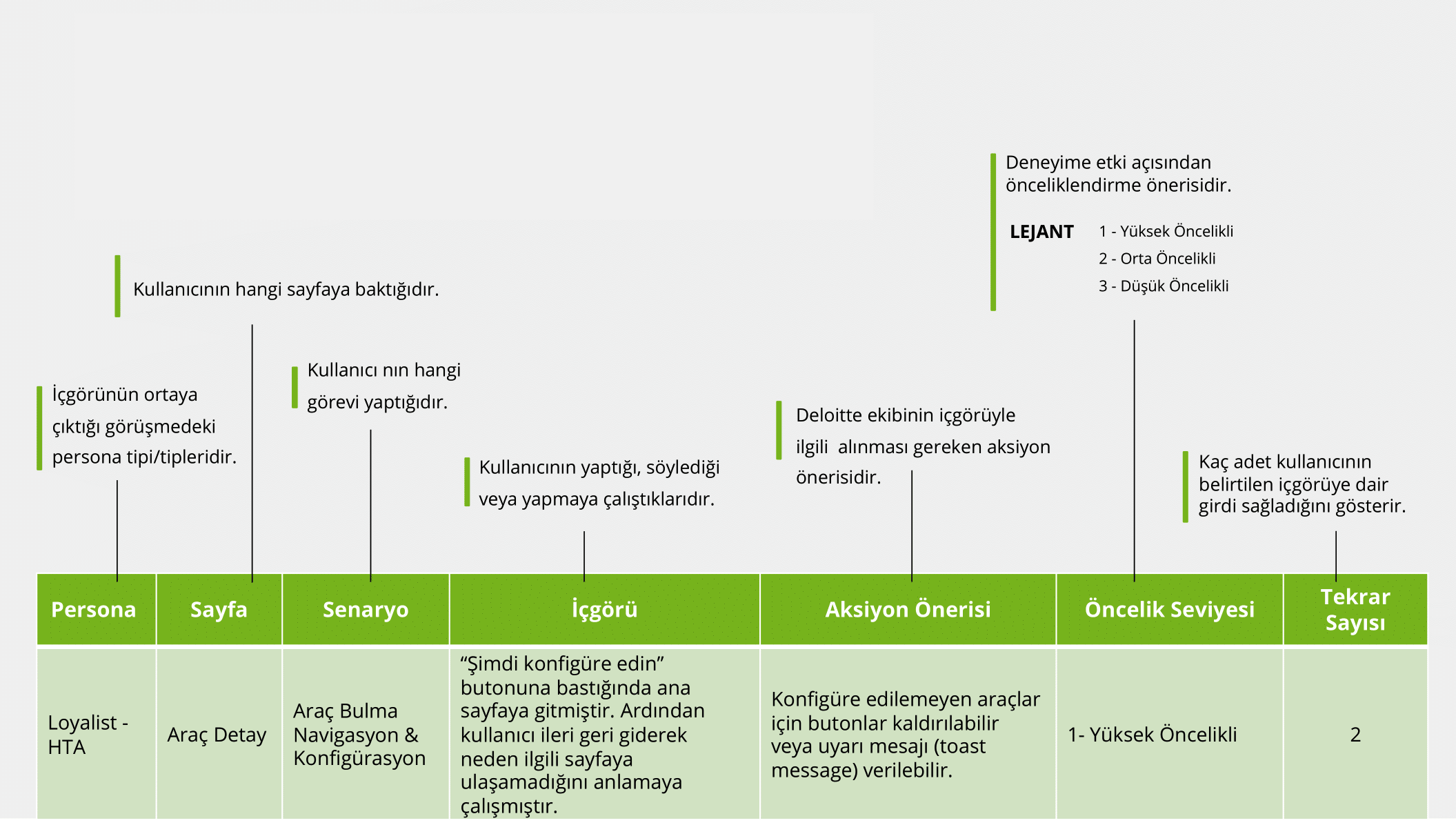
Usability Testing
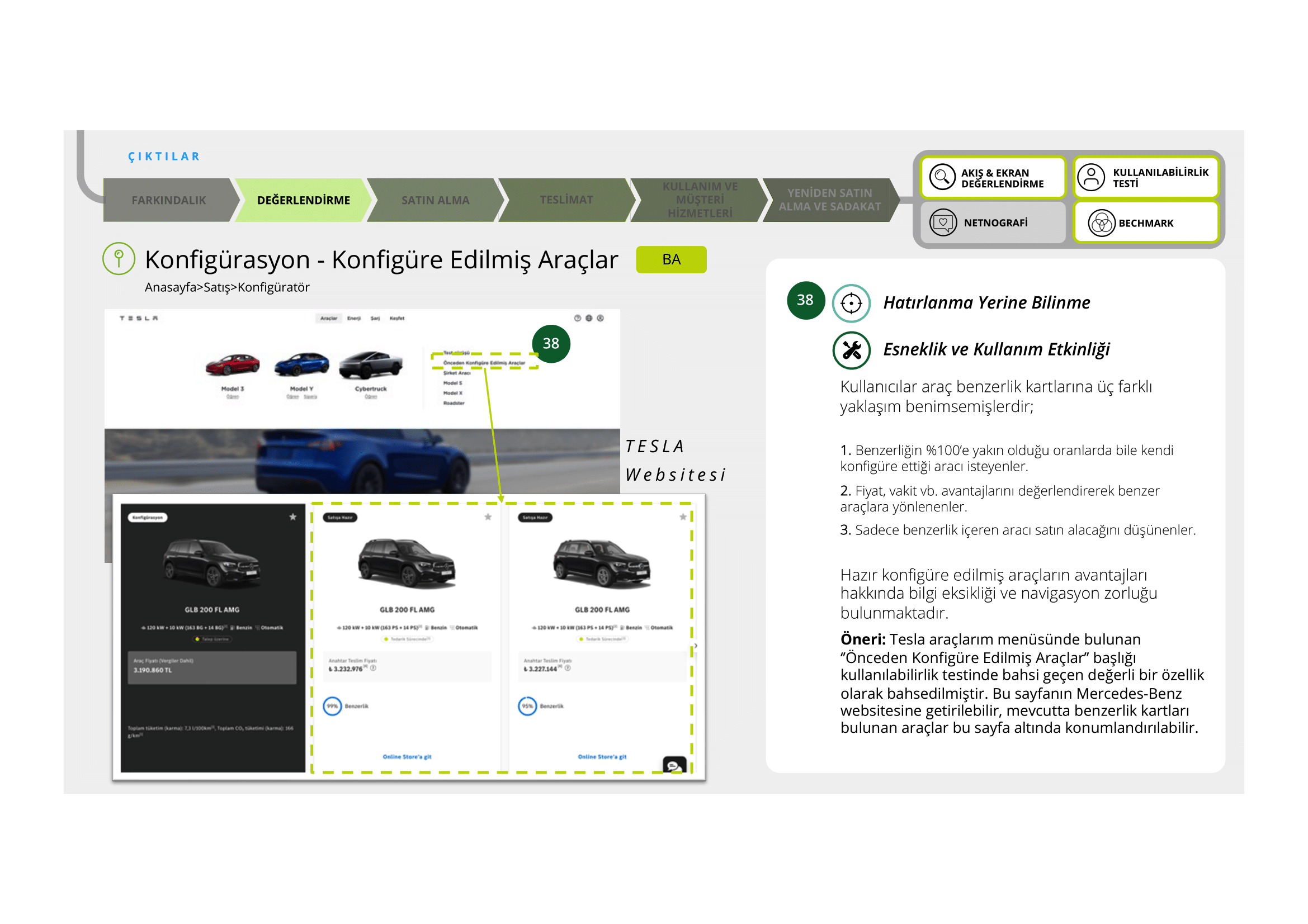
UX Research and Evaluation
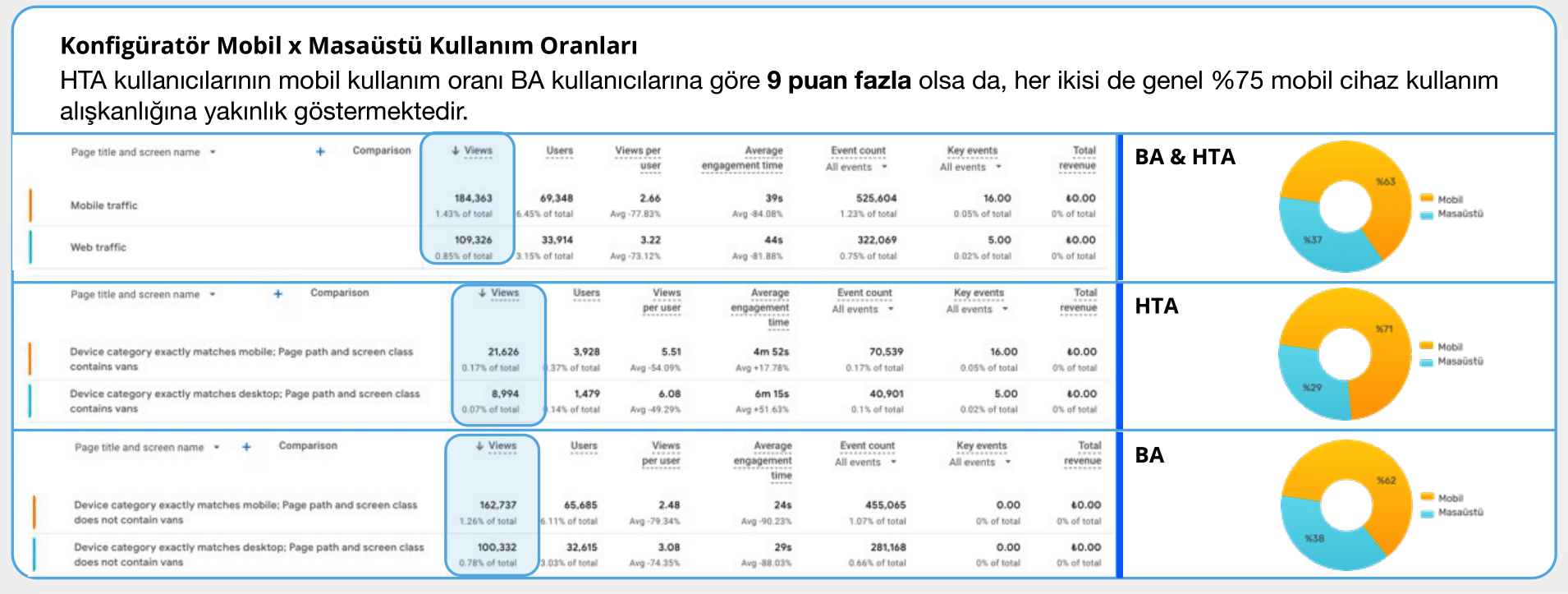
Analytics
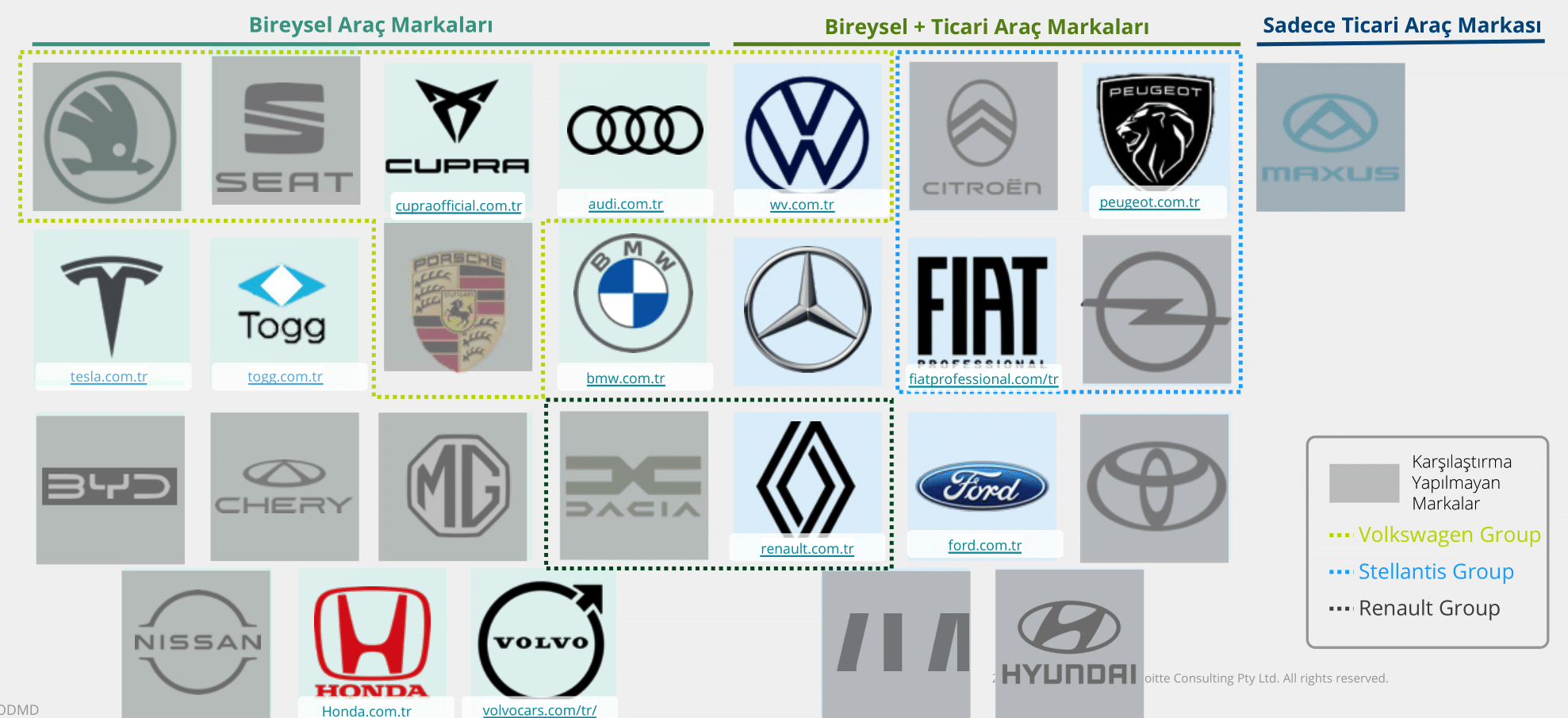
Competitive Analysis

Netnography

View UX Research Projects
Testimonials
Here’s what people are saying
Common Queries Answered

How do you measure the success of your design?
A well-designed product should not only be visually appealing but also intuitive, workflow-compatible, and operationally efficient. To ensure a successful outcome, the design is evaluated against key performance indicators (KPIs) defined during the project scope, supported by both quantitative metrics (e.g., task success rate, time-on-task) and qualitative insights (e.g., user interviews, usability tests). Products that align with business objectives and deliver a seamless user experience are more likely to be perceived as successful. Moreover, optimizing the existing user journey by reducing friction and increasing task efficiency is a critical factor in the overall success of any digital solution.
What is your design process?
My design process starts with understanding the project vision and empathizing with the target users. I draw from the design thinking framework not as a checklist, but as a problem-solving philosophy. My approach centers around deeply understanding user behavior, framing the right problems, and iterating quickly based on real feedback — not assumptions.
I also recognize that the process is rarely linear—it's often iterative and exploratory. That’s why I prioritize continuous user research and regular interviews throughout the process to ensure I’m on the right track. I believe in designing based on real user needs and behaviors, not assumptions.
Throughout my workflow, I use a variety of tools depending on the project requirements, including Figma, Sketch, Canva, Excel, Framer, Photoshop, Illustrator, Balsamiq, Principle, and more.

Which factors influence your design decisions?
I aim to make design decisions that ensure ease of use by taking user needs and behaviors into account. In addition, I focus on aligning my design choices with the project’s business goals and technical constraints to achieve the most suitable outcome.
In cases where technical limitations or workflow requirements challenge the user experience, I strive to find a balanced solution — one that supports business goals while minimizing user friction, often by breaking the experience down into manageable steps.
Let’s connect!

tuğba-çelikten

tugba.celikten@ozu.edu.tr

İstanbul
Digital Product Designer
Hello, I’m Tuğba
I focus on designing simplicity in an increasingly complex digital world. I approach design challenges with dedication and focus, aiming to create experiences that are both intuitive and meaningful for users.

Learn More About Me

Tools which I use on a daily basis
Overview of My Projects
Masterpass Payment Infrastructure Integration Portal
Masterpass integration portal has designed to serve both technical users and business stakeholders with clarity and ease. By introducing a streamlined stepper structure, I turned a complex, multi-week integration flow into a user-friendly experience that’s easy to understand, follow, and complete—bringing a fresh, experience-focused perspective to a traditionally technical process.
View Project
Turkey Ministry of Trade E-Export Platform
E-KİP(E-Kolay İhracat Platformu) platform was designed for small exporters engaged in e-commerce by providing them with essential data and information. The site features a smart assistant , business strategies, and various e-commerce marketplaces, along with step-by-step guidance throughout the entire trade process. All content was carefully designed to be easy to read and accessible, ensuring a smooth experience for users of all levels.
View Project
IDEAL Mobile Game
The mobile game aimed at helping refugees from different countries learn essential everyday language through simple, playful interactions. Since the target users often have low digital literacy and don’t share a common base language, the app relies entirely on visuals instead of text-based instructions—making it universally accessible and intuitive. The game was developed in collaboration with international teams, and was tested with real users across multiple countries to ensure cultural relevance and usability.
Coming Soon
TRT - tabii Content Management System
We designed the UI/UX and design system for tabii’s multilingual CMS, enabling customizable pages, license management, and automated publishing flows—tailored for both diverse content teams and the dynamic media industry.
Coming Soon
View All Projects
UX Research Approach
UX Audit - Heuristic Evaluation - Usability Testing
Customer Journey Map
Persona
User Flow Diagram
Heuristic Evaluation
Usability Testing
UX Research and Evaluation
Analytics
Competitive Analysis
Netnography
View UX Research Projects
Testimonials
Here’s what people are saying
Common Queries Answered
How do you measure the success of your design?
A well-designed product should not only be visually appealing but also intuitive, workflow-compatible, and operationally efficient. To ensure a successful outcome, the design is evaluated against key performance indicators (KPIs) defined during the project scope, supported by both quantitative metrics (e.g., task success rate, time-on-task) and qualitative insights (e.g., user interviews, usability tests). Products that align with business objectives and deliver a seamless user experience are more likely to be perceived as successful. Moreover, optimizing the existing user journey by reducing friction and increasing task efficiency is a critical factor in the overall success of any digital solution.
What is your design process?
My design process starts with understanding the project vision and empathizing with the target users. I draw from the design thinking framework not as a checklist, but as a problem-solving philosophy. My approach centers around deeply understanding user behavior, framing the right problems, and iterating quickly based on real feedback — not assumptions.
I also recognize that the process is rarely linear—it's often iterative and exploratory. That’s why I prioritize continuous user research and regular interviews throughout the process to ensure I’m on the right track. I believe in designing based on real user needs and behaviors, not assumptions.
Throughout my workflow, I use a variety of tools depending on the project requirements, including Figma, Sketch, Canva, Excel, Framer, Photoshop, Illustrator, Balsamiq, Principle, and more.
Which factors influence your design decisions?
I aim to make design decisions that ensure ease of use by taking user needs and behaviors into account. In addition, I focus on aligning my design choices with the project’s business goals and technical constraints to achieve the most suitable outcome.
In cases where technical limitations or workflow requirements challenge the user experience, I strive to find a balanced solution — one that supports business goals while minimizing user friction, often by breaking the experience down into manageable steps.

Let’s connect!
tuğba-çelikten
tugba.celikten@ozu.edu.tr
İstanbul
Digital Product Designer
Hello, I’m Tuğba
I focus on designing simplicity in an increasingly complex digital world. I approach design challenges with dedication and focus, aiming to create experiences that are both intuitive and meaningful for users.

Learn More About Me
Tools which I use on a daily basis
Overview of My Projects
Masterpass Payment Infrastructure Integration Portal
Masterpass integration portal has designed to serve both technical users and business stakeholders with clarity and ease. By introducing a streamlined stepper structure, I turned a complex, multi-week integration flow into a user-friendly experience that’s easy to understand, follow, and complete—bringing a fresh, experience-focused perspective to a traditionally technical process.
View Project
Turkey Ministry of Trade
E-Export Platform
E-KİP(E-Kolay İhracat Platformu) platform was designed for small exporters engaged in e-commerce by providing them with essential data and information. The site features a smart assistant , business strategies, and various e-commerce marketplaces, along with step-by-step guidance throughout the entire trade process. All content was carefully designed to be easy to read and accessible, ensuring a smooth experience for users of all levels.
View Project
IDEAL Mobile Game
The mobile game aimed at helping refugees from different countries learn essential everyday language through simple, playful interactions. Since the target users often have low digital literacy and don’t share a common base language, the app relies entirely on visuals instead of text-based instructions—making it universally accessible and intuitive. The game was developed in collaboration with international teams, and was tested with real users across multiple countries to ensure cultural relevance and usability.
Coming Soon
TRT - tabii Content Management System
We designed the UI/UX and design system for tabii’s multilingual CMS, enabling customizable pages, license management, and automated publishing flows—tailored for both diverse content teams and the dynamic media industry.
Coming Soon
View All Projects
UX Research Approach
UX Audit - Heuristic Evaluation - Usability Testing
Customer Journey Map
Persona
User Flow Diagram
Heuristic Evaluation
Usability Testing
UX Research and Evaluation
Analytics
Competitive Analysis
Netnography
View UX Research Projects
Testimonials
Here’s what people are saying
Common Queries Answered
How do you measure the success of your design?
A well-designed product should not only be visually appealing but also intuitive, workflow-compatible, and operationally efficient. To ensure a successful outcome, the design is evaluated against key performance indicators (KPIs) defined during the project scope, supported by both quantitative metrics (e.g., task success rate, time-on-task) and qualitative insights (e.g., user interviews, usability tests). Products that align with business objectives and deliver a seamless user experience are more likely to be perceived as successful. Moreover, optimizing the existing user journey by reducing friction and increasing task efficiency is a critical factor in the overall success of any digital solution.
What is your design process?
My design process starts with understanding the project vision and empathizing with the target users. I draw from the design thinking framework not as a checklist, but as a problem-solving philosophy. My approach centers around deeply understanding user behavior, framing the right problems, and iterating quickly based on real feedback — not assumptions.
I also recognize that the process is rarely linear—it's often iterative and exploratory. That’s why I prioritize continuous user research and regular interviews throughout the process to ensure I’m on the right track. I believe in designing based on real user needs and behaviors, not assumptions.
Throughout my workflow, I use a variety of tools depending on the project requirements, including Figma, Sketch, Canva, Excel, Framer, Photoshop, Illustrator, Balsamiq, Principle, and more.
Which factors influence your design decisions?
I aim to make design decisions that ensure ease of use by taking user needs and behaviors into account. In addition, I focus on aligning my design choices with the project’s business goals and technical constraints to achieve the most suitable outcome.
In cases where technical limitations or workflow requirements challenge the user experience, I strive to find a balanced solution — one that supports business goals while minimizing user friction, often by breaking the experience down into manageable steps.

Let’s connect!
tugba.celikten@ozu.edu.tr
İstanbul